Get Started →
Free Tool · No Sign-up Required

Protein Calculator

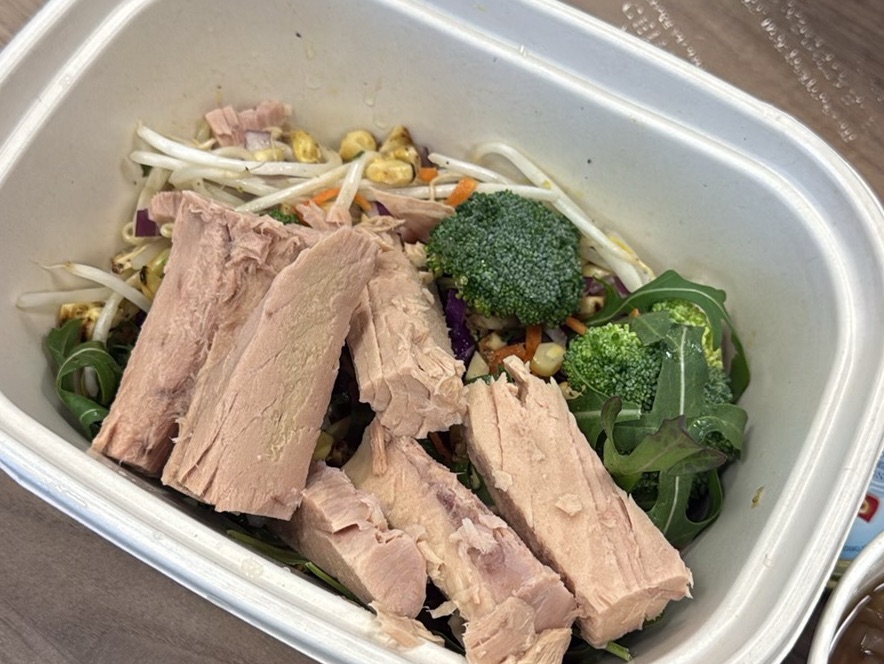
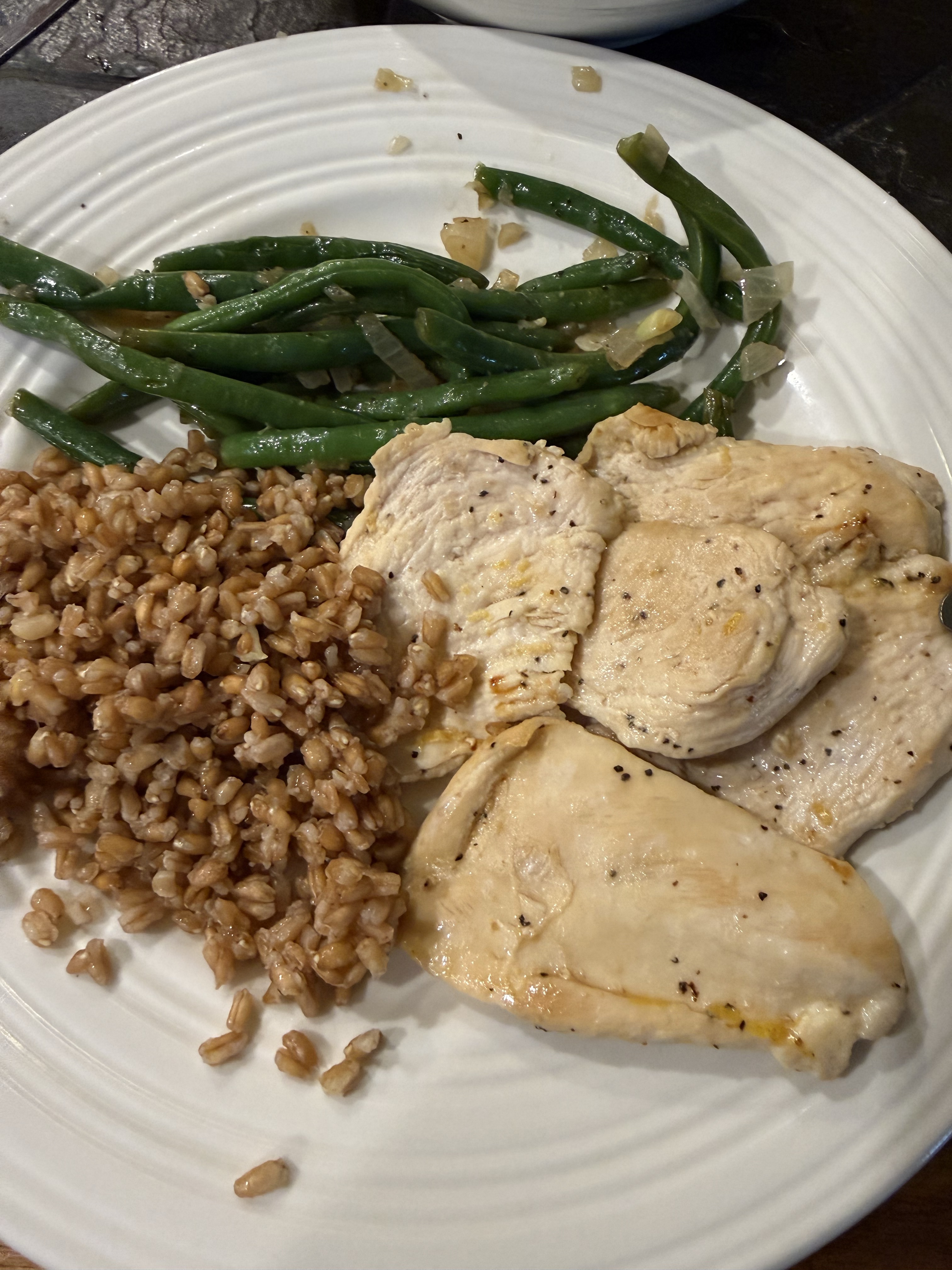
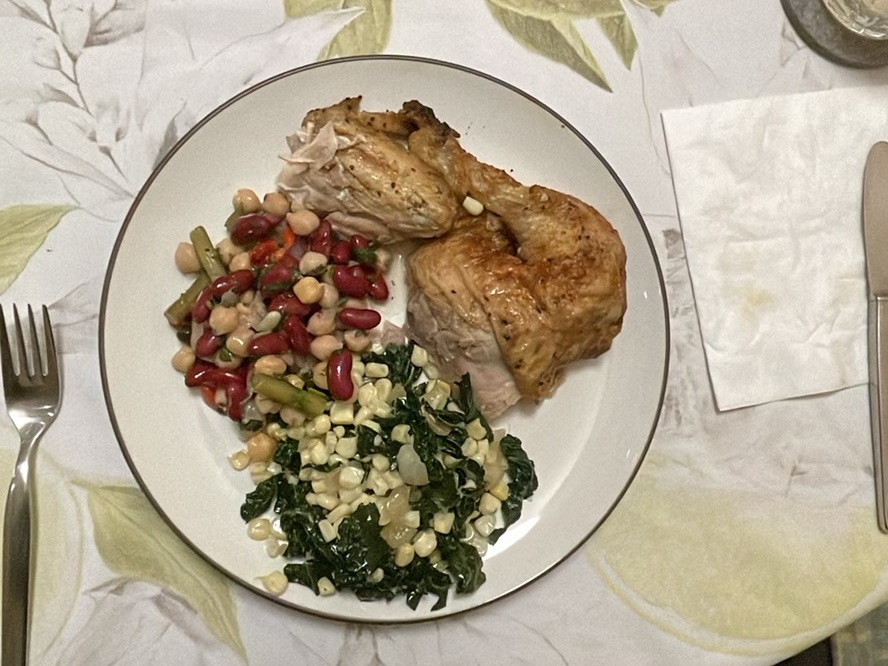
Find out exactly how much protein you need — whether you're on a GLP-1 medication or not — and get personalized meal plans and recipes tailored to your body, age, and goals.

Calculate your daily protein target

Based on your body, goals, and whether you're on medication — backed by clinical research.

grams of protein / day
estimated calories / day
MealAllocationCaloriesProtein (g)

This is a suggested allocation of protein across your meals — but you can vary it to fit your schedule. Use the sliders above to adjust each meal's share. What matters most is hitting your daily total, not the exact split.

Why does protein matter on GLP-1?

GLP-1 medications cause rapid weight loss — but up to 40% of that weight can come from muscle, not fat. Protein is the primary nutritional lever for preserving lean mass. Without enough protein, you lose the muscle that keeps your metabolism high, your bones strong, and your body functional.

The STEP trials showed that semaglutide users lost an average of 15-17% body weight, but lean mass accounted for 25-40% of total weight lost depending on whether exercise and nutrition were optimized. Participants who combined the medication with high protein intake and resistance training lost primarily fat.

40%
Of GLP-1 weight loss can be muscle
0.7-1.0g
Protein per lb recommended
30g+
Minimum per meal for muscle

Go deeper on GLP-1 nutrition

Frequently asked questions

How much protein do you need on GLP-1 medications?
Most clinical guidelines recommend 0.7-1.0g of protein per pound of body weight for GLP-1 users. The exact amount depends on your age, activity level, and how much weight you're losing. Older adults and those doing strength training need the higher end of this range to prevent muscle loss.
Why do GLP-1 users need more protein than normal?
GLP-1 medications like Ozempic and Mounjaro cause rapid weight loss, but up to 40% of that weight can come from lean muscle mass rather than fat. Higher protein intake — combined with resistance training — is the primary strategy for preserving muscle during GLP-1 weight loss.
Does age affect protein needs on GLP-1?
Yes, significantly. After 50, your muscles become less efficient at using protein for repair (called anabolic resistance). You need more protein per meal — at least 30-40g — to trigger the same muscle-building response. Combined with GLP-1's appetite suppression, this makes hitting protein targets especially challenging for older adults.
How should I distribute protein across meals on GLP-1?
Distribute protein across breakfast (15%), lunch (30%), dinner (30%), and snacks (25%). On GLP-1, when appetite is suppressed, prioritize protein-first eating — consume your protein source before vegetables and carbohydrates at each meal. Use snacks strategically to close the gap.
Can protein shakes help me hit my target on GLP-1?
Protein shakes can help fill gaps, but whole food sources are better absorbed and more satiating. A whey protein shake with 30g protein after a workout is useful. However, relying on shakes for more than one-third of your daily protein is not ideal — real meals provide other essential nutrients that shakes miss.

Knowing your target is step one

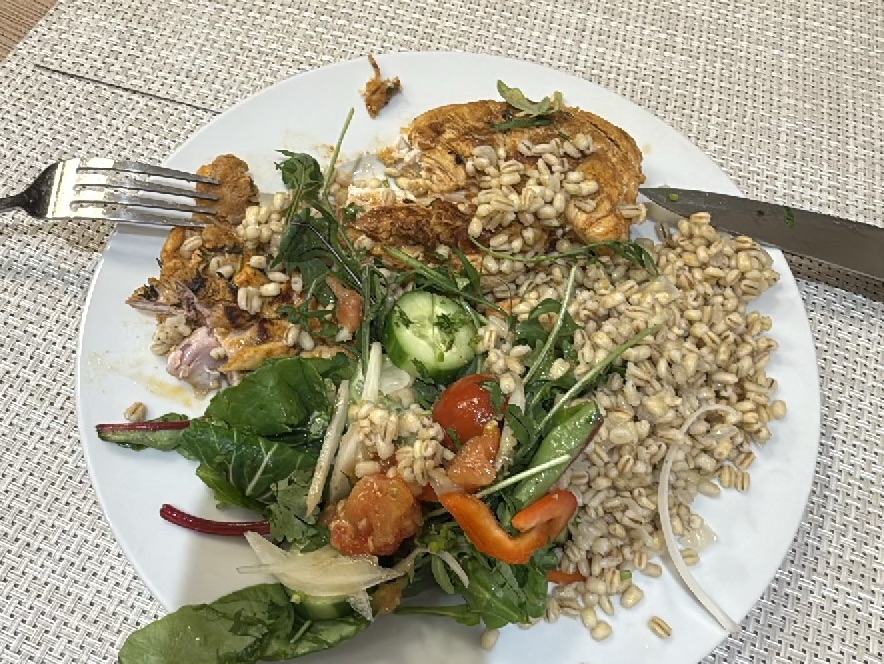
FitMate's AI analyzes every meal photo and your coach tracks your protein in real time — so you actually hit your target, not just know it.

Get Started →

Evidence-based nutrition, weekly

Get the latest research on weight loss, GLP-1, and sustainable eating habits — no fluff.

No spam, ever. Unsubscribe anytime.